
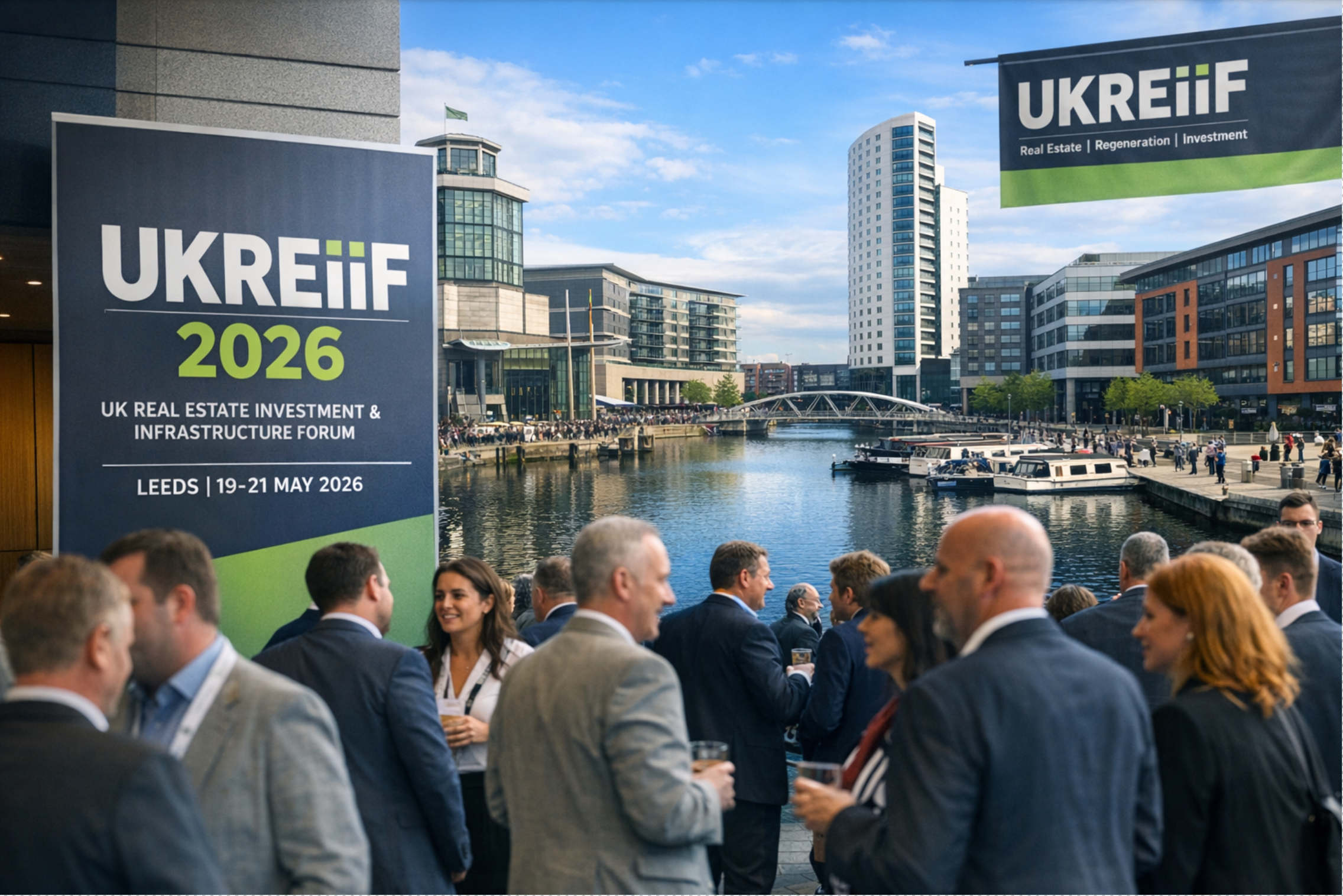
For many brands, the mistake is treating events like this as a three-day burst of activity. A few meetings. A few LinkedIn posts. A few photos. Then silence.
The businesses that get the most from UKREiiF tend to approach it differently. They use it as a focal point for a wider campaign. That means planning content before the event, creating visibility while it is happening, and then following up in a way that keeps conversations moving.
That matters even more in 2026. The market has not suddenly become easy. Recent industry reporting points to a mixed picture, with modest growth, pressure on viability in some areas, and stronger momentum around infrastructure, repair and maintenance, and long-term public investment. In a market like that, visibility on its own is not enough. Marketing needs to support credibility, clarity and pipeline.
Start with a clear commercial objective
Before thinking about social posts, exhibition graphics or event collateral, the first question should be simple: what does success look like?
For one business, it might be opening conversations with local authorities and development partners. For another, it might be raising the profile of a specialist offer in retrofit, façade remediation, fire safety or infrastructure delivery. For others, it may be about reinforcing market presence with investors, consultants or framework partners.
Without that clarity, event activity can become a scattergun exercise. Busy, visible and expensive, but not especially useful.
A focused objective helps shape the rest of the campaign. It informs who you need to speak to, what stories you should be telling, and what content should go out before the event begins.
Build the right story before you arrive
By the time UKREiiF starts, the best conversations are often already half underway.
That is why pre-event marketing matters. If you are attending, sponsoring, hosting or speaking, the market should know in advance. Not through vague announcements, but through useful, relevant messaging that gives people a reason to engage.
That could include:
The goal is not to say you are going. The goal is to create a reason for the right people to notice you.
Think beyond the stand
Not every business needs a pavilion, a large sponsorship package or a packed fringe event to make an impact.
Some of the strongest event marketing comes from businesses that are clear, confident and consistent. They know their message. They know their audience. And they show up with a smart mix of content, outreach and follow-up.
That might mean a well-timed thought leadership post. It might mean filming quick insights on site. It might mean using senior team members to drive one-to-one conversations on LinkedIn before and during the event. It might mean making sure sales and marketing are working from the same list of targets and talking points.
The point is this: visibility is not just about physical presence. It is about message, timing and relevance.
Use content while the conversation is live
During a major event, there is a small window where the market is paying attention to the same themes at the same time.
That is when content works hardest.
Rather than posting generic updates, focus on material that adds something. Share what your team is seeing. Pick out recurring themes. Comment on the conversations shaping the event. Show your audience that you understand where the market is moving and where your business fits into it.
This is especially valuable in a year where industry discussion is likely to keep circling back to funding, viability, infrastructure delivery, retrofit and long-term resilience. Those themes are already shaping outlook reporting in 2026, so they are likely to sit behind many of the conversations happening in Leeds this May.
Follow-up is where the value sits
Too many event strategies end when the train home leaves Leeds.
In reality, the follow-up phase is where the return starts to show. The businesses that do this well do not just send a few emails and move on. They turn event activity into an ongoing campaign.
That can include post-event insights, targeted follow-up messaging, repurposed content, case studies linked to market themes, and sales outreach supported by marketing rather than separated from it.
The aim is to keep your business connected to the conversations that started at the event, instead of disappearing once the hashtags stop trending.
Make May work harder
For construction brands, May 2026 offers more than a date in the diary. It offers a clear opportunity to put your business in front of the people, sectors and discussions that matter.
But the brands that gain the most from UKREiiF will not be the ones that simply attend.
They will be the ones that prepare properly, communicate clearly and treat the event as part of a bigger marketing effort, not a standalone moment.
If your business is investing time and budget into UKREiiF this year, make sure the marketing works just as hard as the people attending.